
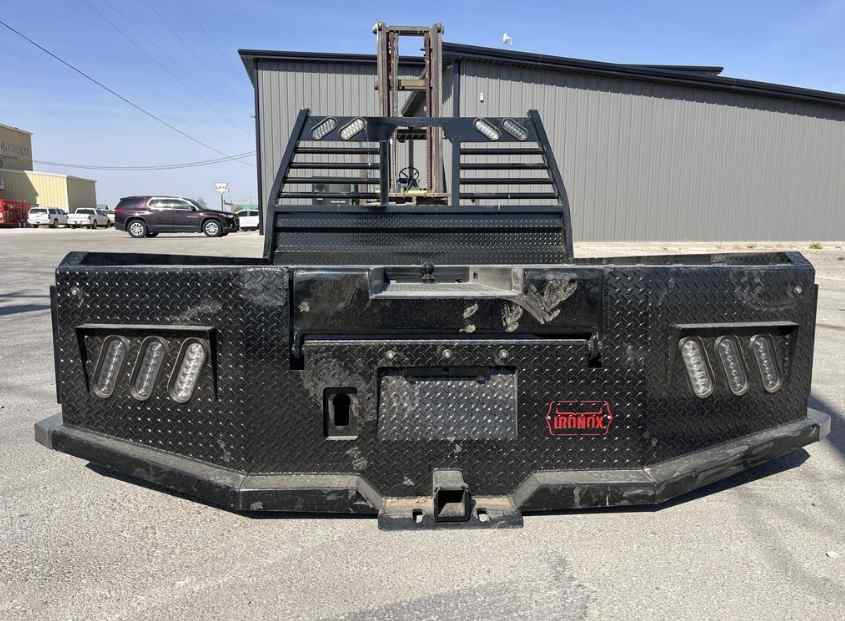
In rugged industries like construction, forestry, mining, and agriculture, machinery operates under constant threat of impact damage. Heavy equipment, utility trucks, and off-road vehicles frequently navigate rough terrain, dense vegetation, and confined work zones where collisions with debris, rocks, and other equipment are common risks. Installing a robust bumper is one of the most effective ways to safeguard essential engine components, prevent costly downtime, and protect operators. Understanding how proper bumper selection and structural design impact vehicle durability is vital for fleet managers and machine operators alike.
When exploring heavy-duty protective solutions, equipment operators often reference fabrication standards and fitment options provided by specialty manufacturers, consulting guides like Iron Ox Products to see how heavy steel components are engineered to absorb severe kinetic energy. Selecting the right protective bumper involves evaluating metal thickness, frame integration, ground clearance, and mounting security. By focusing on essential structural details rather than aesthetic appearance alone, vehicle owners ensure maximum protection in high-risk working environments.
The Functional Importance of Heavy-Duty Bumpers
Standard vehicle bumpers are generally designed for low-speed street collisions and light cosmetic appeal. In contrast, heavy-duty machinery bumpers serve a critical protective role in demanding industrial settings.
Protecting Vital Vehicle Systems
The front and rear profiles of heavy trucks and equipment house critical systems, including radiators, intercoolers, steering linkages, and hydraulic lines.
- A direct impact to an unprotected front grill can instantly puncture a radiator, leading to engine overheating and immediate operational failure.
- Heavy-duty bumpers act as an external shield, absorbing structural impacts and deflecting sharp objects away from vulnerable mechanical parts.
Enhancing Operator Safety
Severe front-end collisions send violent shockwaves through a machine’s chassis. A properly engineered bumper absorbs and distributes impact energy across the vehicle frame, reducing the force transferred directly to the operator cabin.
Key Factors to Consider When Selecting a Bumper
Selecting the right bumper requires matching the guard design to your specific vehicle model and operational environment.
Material Selection: Steel vs. Aluminum
The choice of metal directly impacts protection levels, vehicle weight, and fuel efficiency.
- Plate Steel: High-gauge structural steel offers unmatched strength, impact resistance, and durability. It is ideal for heavy equipment working in extreme environments where weight is less of a concern than pure protection.
- Heavy-Duty Aluminum: Aluminum bumpers provide solid impact deflection while reducing overall vehicle weight, making them popular for light utility trucks where maintaining payload capacity is a priority.
Mounting Architecture and Frame Integration
A bumper is only as strong as its mounting connection. A heavy steel shell attached to weak mounting brackets will fail upon impact.
- Direct-to-frame mounting transfers kinetic energy into the vehicle’s structural frame rails rather than vulnerable body panels.
- Fully welded mounting plates offer superior resistance to twisting and shearing compared to basic bolt-on brackets.
Ground Clearance and Approach Angles
Off-road operations require bumpers that do not compromise the vehicle’s mobility across steep inclines, ditches, or rocky ground.
- High-Clearance Designs: Tapered outer edges and raised center profiles increase your approach angle, allowing the vehicle to climb over obstacles without bottoming out.
- Integrated Tow Points: Quality industrial bumpers incorporate heavy-duty recovery shackles or tow hooks welded directly into the mounting structure, allowing safe vehicle extraction when operating in deep mud or soft soils.
Integrating Functional Accessories
Modern heavy equipment bumpers do more than just absorb impacts; they also serve as mounting platforms for essential job site accessories.
Auxiliary Lighting Integration
Working in low-light environments, early mornings, or night shifts requires maximum visibility. Look for bumpers with recessed lighting cutouts to protect auxiliary LED floodlights or spot bars from tree branches and flying debris.
Winch Compatibility
For vehicles operating in isolated locations, a front bumper with an integrated winch plate provides self-recovery capabilities. Ensure the bumper structure is rated to handle the pulling capacity of your chosen winch.
Installation and Inspection Maintenance
Proper installation and continuous monitoring are essential to maintaining the structural integrity of your protective bumper.
Securing Hardened Hardware
Always use high-tensile, Grade 8 hardware when securing a heavy-duty bumper to a vehicle chassis. Torque all bolts to the manufacturer’s specified settings to prevent loosening caused by machine vibration.
Routine Inspection Procedures
Include your bumper in regular pre-shift vehicle walk-arounds:
- Check mounting hardware for loosening or rust.
- Inspect welds for fatigue or stress cracking after severe impacts.
- Touch up any scratched powder coating or paint immediately to prevent surface rust from compromising the underlying steel.
Maximizing Equipment Lifespan Through Structural Protection
Protecting your machinery with a properly selected bumper minimizes unscheduled repair costs, keeps equipment operational, and provides a safer working environment on tough job sites. By focusing on frame-integrated mounting, heavy-gauge materials, and task-specific designs, operators can confidently navigate challenging conditions while preserving vehicle performance and value.